
BLOG
How to Help Your Child with Change and Transitions

Change is common in every family, but it can be challenging, especially for kids. Both common shifts like a new school year or activity, and major life events such as a medical diagnosis, hospitalization, or divorce can create big emotions and stress.
If your child has cancer or another serious illness, transitions can be even more frequent and disruptive. With each new diagnosis and treatment, your ill child may have different limitations and symptoms. And some children even have to leave school.
Other family members may also struggle. Changes in medical conditions and treatments can cause a parent to leave their job or limit what siblings can do. Everyone may feel overwhelmed and out of control.
For these, and other reasons, kids often struggle and act out. Fortunately, there are things you can do to help your child with change and build resilience for the future.
Helping Your Child with Change
Below are a few strategies to help kids during transitions. Of course, everyone is different, so use your best judgement and adapt these suggestions to your lifestyle and child.
Give as Much Information as Possible about Changes
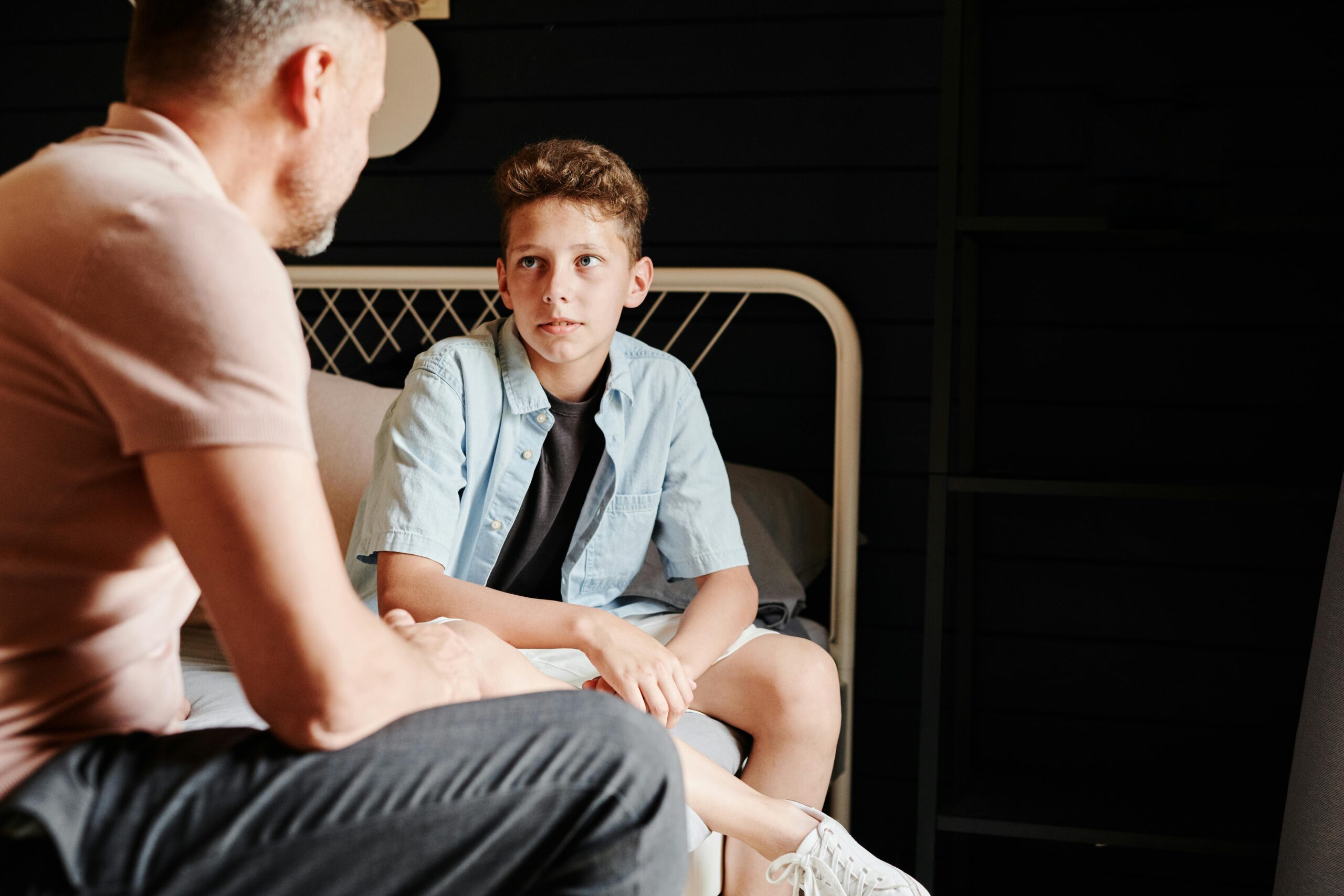 Knowledge is power and this is true for kids as well as adults. During times of change kids feel unsettled, so it’s important to share as much information as possible. This helps kids understand what is happening, feel valued and regain a sense of control. Plus, while you may think you are protecting your child, without information they will often fill in the blanks with something worse.
Start by asking what your child knows. Then correct any misunderstandings and fill in the blanks for them using simple words. Be sure to talk about the diagnosis, if it’s a new medical condition, the treatment and any changes that will occur.
If you’re not sure how to talk about your child’s medical condition and treatment, be sure to ask for help from a child life specialist. You can also find additional tips, based on your child’s age, at copingspace.org/children.
For kids who need additional information, especially a young child, it can be helpful to offer a preview of what will occur. This might include a visit to the hospital, an introduction to a new doctor, or a look at some of the medical equipment that the doctors will use. Or, if you will be having a new babysitter or caregiver for a sibling, you might invite them over for a visit first.
Finally, it’s okay tell your kid you don’t know something. You can simply say you do not have the answer now but will tell them as soon as you do. And remember, always answer honestly. Your child will eventually learn the truth and the sense of betrayal will always be far worse.
Expect Big Feelings with Transitions
 Big changes mean big feelings – for everyone. Normal emotions that come with change include anger, frustration, sadness and grief. Your child may show these feelings with more tantrums and tears, or they may go silent.
In addition to being emotional, children going through change can make more mistakes or forget or lose things. They can also be distracted and struggle in school. This is because their brain is busy managing the change and the emotions that it brings up. You may need to provide extra help or request some from the school for a period.
Dealing with your kid’s big emotions can be frustrating and hard. Try to be patient, even when they act out, speak disrespectfully or cry more often. And be sure to also be patient with yourself!
Maintain What Routines You Can
Routines are important to kids who crave predictability for a sense of safety and control. This is exactly why change is so hard. But keeping routines is difficult when going through transitions, especially when you are under stress and juggling a lot. However, just because some things have to change doesn’t mean everything must go.
Now obviously you do not have to do everything the same, every day and week. Routines will have to shift over time. But it is helpful to keep some things that give your child comfort.
Ways to maintain routines and normalcy during transitions can include things like keeping your child’s bedtime and morning routines, maintaining normal rules, reading favorite books and eating comfort foods. You might also allow them to wear or carry a comfort item. Ask your child what is would be most helpful, then provide ideas of your own.
Allow Regression with Big Changes
As stated above, kids desire the familiar to feel in control and safe. To fill this need during major changes, many kids regress and go back to things from early childhood. What might regression look like? A young child may have bathroom accidents. Or a school-age kid may want to look at old board books or play with toddler toys. Teens and pre-teens might rewatch TV shows from when they were younger or listen to music from several years ago. Your child may also want to sleep with you or go back to old favorite activities or foods.
Some kids also regress for attention or to regain a sense of powerl. Obviously, this is hard for parents. But generally, it’s best to allow it if it’s not causing problems during daily life or at school.
This does not mean you let them wet the bed every night or stay with you every moment. But it can be helpful to offer compassion and extra comfort, even while saying no.
Model Healthy Coping During Transitions
 Kids learn by example, and their biggest role model is you! You can help your child manage their emotions by naming them and sharing positive ways to deal with stress. If their struggling, you can also work together to create a coping plan. But one of the most effective ways to teach kids to deal with changes is by showing, rather than telling.
Talk to your child about ways you deal with big changes. Then let them see you doing it. You do not have to make a big deal of it or draw attention. Just do it frequently enough for them to notice. Plus, doing stress-busting activities will really help you.
Positive ways to cope with stress, anxiety during transitions include:
- Going for a walk or getting out in nature
- Exercise
- Meditation and deep breathing
- Getting plenty of rest
- Hobbies such as creating art, handicrafts, playing an instrument, reading or playing games
- Talking to a trusted friend or family member
- Hugging someone you love
- Listening to music
- Having a laugh – silly videos, jokes and tv shows all work!
You can find more examples of healthy ways to deal with fear and anxiety by reading “Managing Your Fear When Your Child Is Seriously Ill” and Taking Care of You.
Be Available to Talk with Your Child During Changes
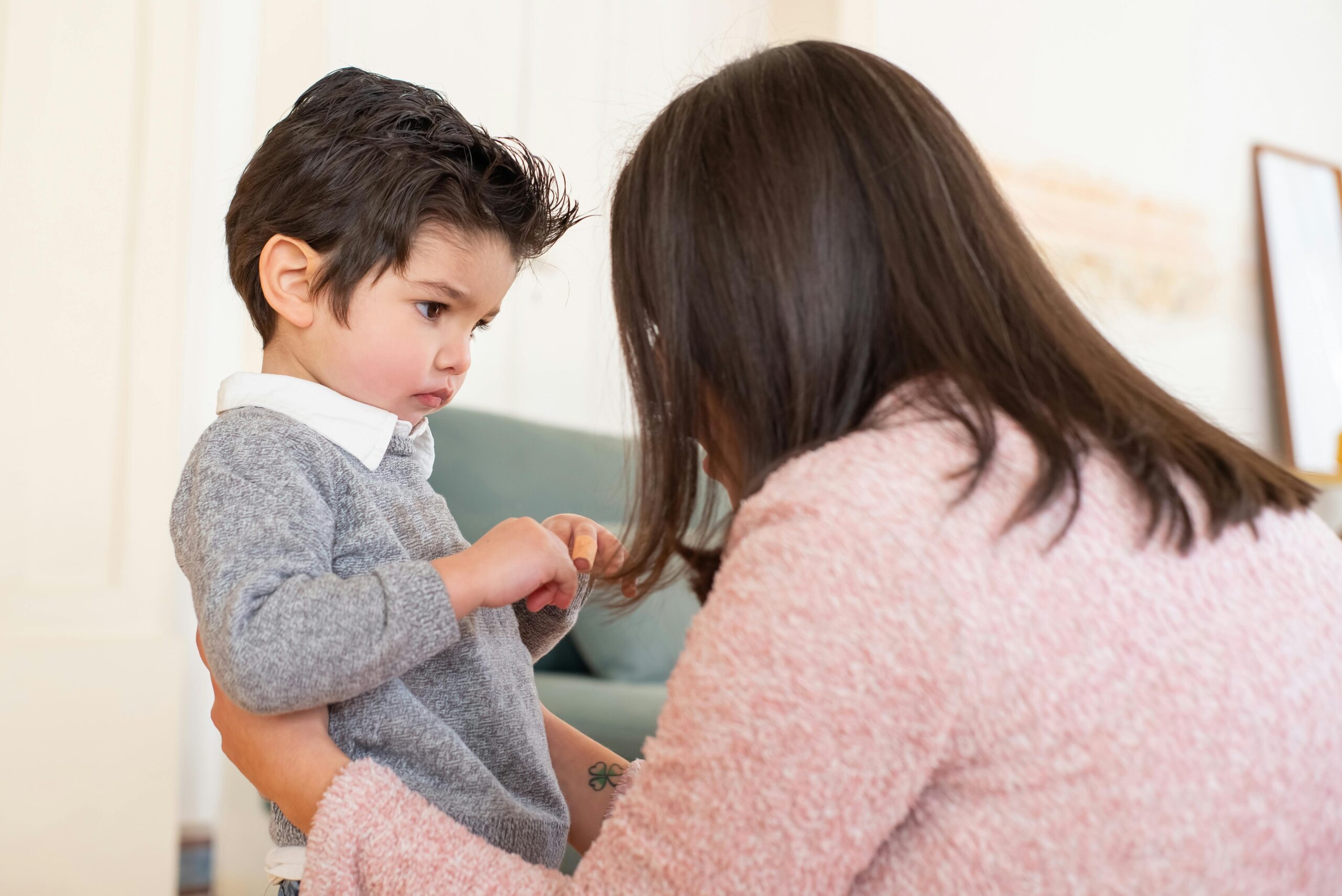 Making time to talk with your child during a big transition is one of the most important things you can do. But it’s easier said than done. We are often pulled in many directions, packing lunches while making dinner and checking emails on the phone. And at the same time, your kid may be trying to manage friends, activities and school.
Setting aside a set time to check in can help. If your child is distracted or not ready to share, don’t push and just try again soon. You can also work to notice if there are certain times when they are more likely to open up. Some kids like to share before bedtime. Others may seek you out before school. Your child may also be more likely to talk with you while doing an activity, such as driving, playing video games or doing artwork.
Try to be available during these times, even if it’s not convenient. You can just be a quiet presence or ask directly how they’re doing. You know your child best and what will work. Finally, be sure to check back regularly, not just when the transition begins. Your child’s feelings may shift over time or as new changes occur.
Be Kind to Yourself During Transitions
Transitions are hard for kids. But they are also hard for their parents! You not only must support their needs but meet your own. And it’s hard to be loving and understanding about poor behavior during a stressful time.
You won’t get everything right. You will likely get frustrated, and snap. But by just trying, your kid will know they’re loved.
Be kind to yourself. Be sure to eat and get plenty of rest. And know, you can go back to apologize and correct your initial reaction. In fact, it’s good for kids to see adults make mistakes and learn everyone is human.
Yes, change is hard, and these strategies take practice. But your child will eventually adjust and with a little extra attention, will build resilience for the next big change that will occur.