
BLOG
Pediatric Palliative Care for Kids
 Pediatric palliative care can be a great addition to any child’s treatment for a serious illness or injury. A palliative care team can help ease the emotional and physical burden of treatment and improve the entire family’s quality of life. Unfortunately, many avoid using palliative care because they don’t understand it and believe that it means a child is dying. This is not true at all!
Unlike hospice care, pediatric palliative care can help most children with chronic or critical illnesses throughout their medical journey, from diagnosis all the way into recovery. By partnering with families to identify their needs, values and goals, palliative care teams can improve the entire family’s experience, all while the child still receives treatment just as they did before.
What is Pediatric Palliative Care
Pediatric palliative care is specialized medical care with the goal of improving your child’s quality of life, as well as your own. It uses a family-centered approach to help meet the physical, emotional, social and spiritual needs of the family throughout a child’s illness. This can include pain and symptom relief during treatments, help with side effects, stress reduction, and much, much more. Importantly, it is available to all patients with a serious illness, no matter their diagnosis or predicted outcome.
Who is On a Palliative Care Team
Palliative care does not replace your child’s medical team and treatment. Rather, it provides an extra layer of support based on your family’s unique values and goals. For this reason, every palliative care team is unique. It can be made up a wide range of professionals and change over time.
 Your child’s pediatric palliative care team could include:
- Doctors
- Mental Health Providers
- Nurses
- Social Workers
- Child Life Specialists
- Nutritionists
- Pharmacists
- Religious Figures
- Art and music therapists, and/or
- Alternative Medicine Practitioners
In short, pediatric palliative care is a partnership with your child, your family and the medical team to help your child live as long and as well as possible, while improving the experience for everyone.
Is Palliative Care the Same as Hospice Care?
Palliative care and hospice care are often mixed up, causing a lot of fear. However, pediatric palliative care and hospice care are not the same at all. Yes, both seek to improve quality of life. However, hospice care is only available to children with terminal illnesses, typically in their last six months.
Pediatric palliative care, on the other hand, is available to all children with chronic and life-changing conditions, at any time. Your child can still receive curative treatment while getting pediatric palliative care. Getting palliative care does not mean you are giving up!
When Should My Child Get Palliative Care?
 It’s never too early to start palliative care. In fact, your child can begin pediatric palliative care as soon as they are diagnosed. It is designed to work in partnership with their medical team to improve their outcomes and experience overall. In fact, starting palliative care early is linked to better symptom management, a feeling of more family support, better communication with your child’s medical team, and improved quality of life.
That said, if your child did not start palliative care early, it doesn’t mean it’s too late. You can request palliative care at any time and use it sometimes for years to come. You also are not committed to staying on palliative care. Kids can “graduate” from it and you can choose to change your plan and team or end it at any time.
Where Can My Child Get Pediatric Palliative Care?
Pediatric palliative care is offered in a wide variety of places. Your child can receive palliative in the hospital, at outpatient clinics and even at home or through telehealth.
How Can Palliative Care Help My Child?
 Palliative care focuses on more than just the physical. It helps your child do better emotionally, socially, spiritually and developmentally as well. What does this mean exactly? Ultimately that depends on your child and your family’s needs and goals.
Pediatric palliative care can help your child with:
- Symptom Management
- Help reducing pain and suffering
- Management of severe symptoms (For example, fatigue, nausea, loss of appetite and difficulty sleeping)
- Reduction of symptoms that interfere your child’s goals
- Care Coordination and Communication
- Coordination across medical teams to improve results and your child’s experience
- Improving communication with you, your family and your child
- Helping everyone on your child’s care team work towards shared goals
- Emotional Support
- Helping your child cope with their illness
- Finding or providing mental health support
- Locating community and support groups
- Spiritual Support
- Chaplains, ministers, rabbis, imams and other religious figures on the palliative care team can speak with, advise or otherwise support your child
- Additional services and professionals as requested or needed to improve your child’s quality of life
Through these and a variety of other services, pediatric palliative care can help improve your child’s satisfaction with their treatment, lessen anxiety and depression, improve outcomes and generally help your child have a better quality of life.
How Does Pediatric Palliative Care Help Caregivers?
 Pediatric palliative care isn’t just for your child. It is there to help the rest of the family as well. This includes you, other caregivers and siblings. And like with your child, the palliative care team can provide the rest of you a wide range of services to improve quality of life.
Ways pediatric palliative care can help the entire family include:
- Goals of Care & Decision Making
- Helping understand and explore all treatment options, including the benefits and drawbacks
- Support during difficult conversations, both within the family and with medical providers
- Help with advanced care planning and goals of care conversations
- Emotional Support
- Helping every family member cope with your child’s illness
- Finding or providing mental health support
- Locating community and support groups
- Spiritual Support
- Religious and spiritual professionals can be added to the team to advise and support your family members
- Practical support
- Help with practical needs such as locating financial support, logistical support or other needs to manage treatment burdens and daily life. This can include financial aid, help navigating insurance, identifying employment and care options, and respite care.
- Identifying community resources and support options
- Additional services and professionals as requested or needed to improve your family member’s experiences
How Do I Know If Pediatric Palliative Care Is Right for My Child?
Pediatric palliative care is for any child with an illness or injury that impacts their quality of life. This can include all kinds of conditions, such as cancer, cerebral palsy, genetic disorders, heart conditions, neurological disorders, lung conditions and more.
Palliative care could be helpful if your child or any member of your family:
- Suffers from pain or other symptoms from their illness or injury
- Has uncontrolled physical or emotional distress
- Needs help understanding your child’s medical condition
- Needs support coordinating care and making decisions, and/or
- Has unmet treatment and lifestyle goals related to your child’s medical condition
How To Get Palliative Care for Your Child
 To get pediatric palliative care for your child, first speak to their medical team about if it is available and appropriate. They can provide a referral and share more information about your options and the resources that can be provided.
A hospital social worker can also be a great resource to help you understand your insurance coverage for palliative care and other payment options. Medicaid and many insurance policies may cover some or most of the cost of pediatric palliative care. You will need to speak with your insurance plan directly to learn more about what is covered and with which providers.
If your child’s medical team has agreed palliative care could help and provides a referral, you can then speak with a palliative care specialist to form your child’s unique team and plan to move forward.
What to Expect from Pediatric Palliative Care
Like a scalpel is a surgeon’s best tool, palliative care’s best tool is communication. So open, consistent conversations will be important. First a pediatric palliative care specialist will help you identify your family’s needs, values and goals. From there, you will partner together is put together a treatment plan and create a custom team to provide it.
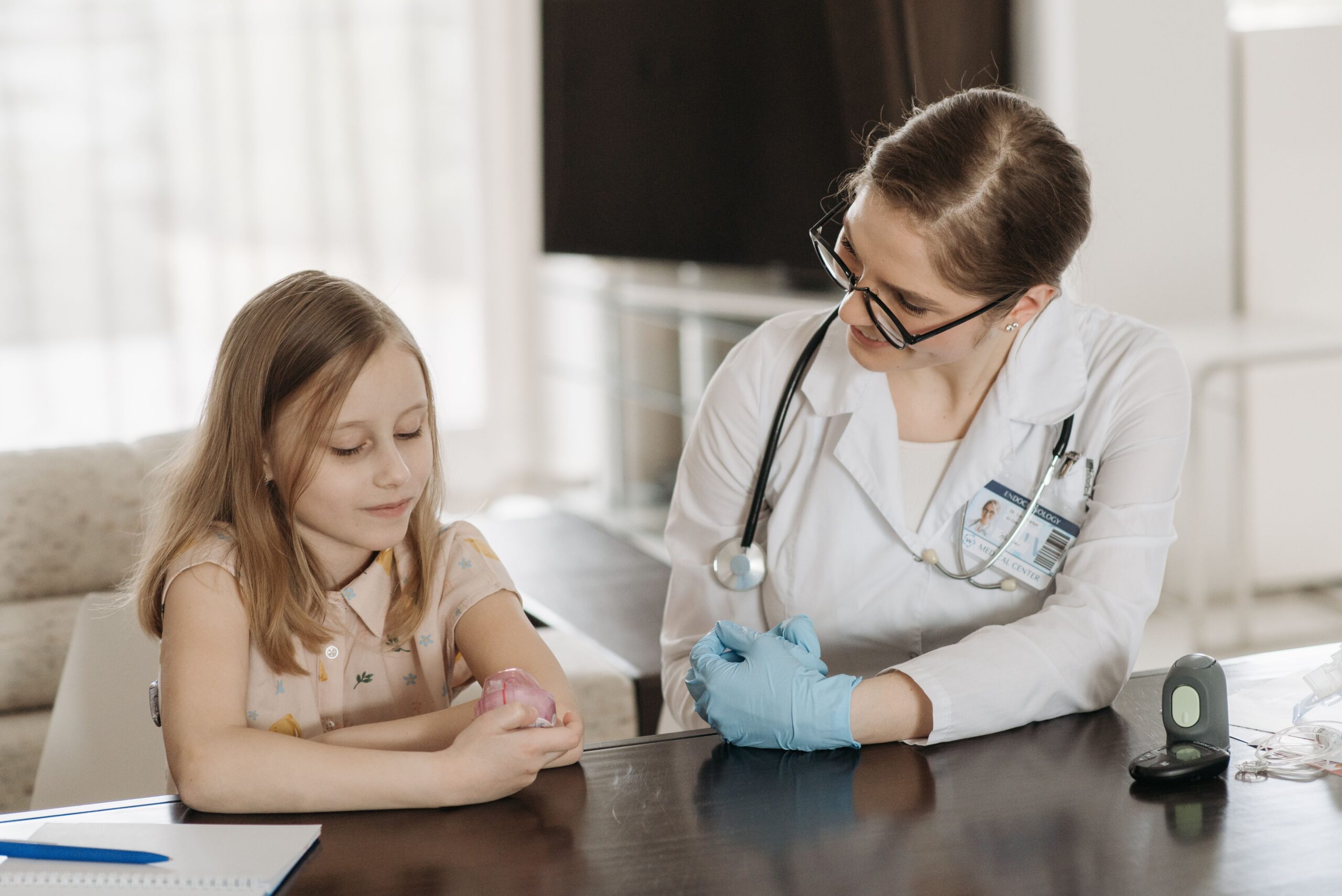 As your child receives palliative care, you can expect frequent follow-up conversations to make sure your whole family’s needs are being met and identify any changes that are required. Ideally, your child will experience relief from physical and emotional symptoms of their medical condition and treatment, as well as an improved ability to carry on daily life. You can also request additional support for you, another caregiver or siblings, as a child’s medical condition is a family condition, impacting you all.
The key to success while using pediatric palliative care is honesty and openness, so be sure to share any requests or problems throughout the process. And remember, sometimes things take time, but by working together as partners, pediatric palliative care teams can improve your entire family’s experience. You don’t have to struggle through this alone.
Pediatric Palliative Care Resources
Conversation Starter Guide for Caregivers of a Child with Serious Illness
Pediatric Palliative Care Coalition Toolkits
Introduction to Pediatric Palliative Care by the Courageous Parents Network
St. Jude’s Quality of Life for Children with Cancer Educational Series